Jasmine Tea Varieties
Jasmine tea is one of the most beloved scented teas in the world. Known for its delicate floral aroma, smooth taste, and refreshing character, jasmine tea has been enjoyed for centuries across Asia and beyond. Whether served hot on a cold morning or iced during summer afternoons, jasmine tea offers a relaxing and flavorful experience that appeals to tea lovers of all ages.
Cost 5
Notes
Jasmine Tea Varieties: A Complete Guide to Types, Benefits, Flavor, Ingredients, and How to Make the Perfect Cup
What Is Jasmine Tea?
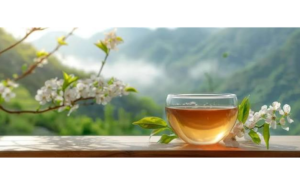
Jasmine tea is a scented tea made by infusing tea leaves with the fragrance of jasmine flowers. The tea base is usually green tea, although white tea, black tea, oolong tea, and herbal tea can also be used. Fresh jasmine blossoms are layered with tea leaves during the scenting process. As the flowers open at night, they release their fragrance, which is absorbed by the tea leaves. The result is a tea with:- Floral aroma
- Smooth flavor
- Light sweetness
- Refreshing finish
- Pleasant fragrance
History of Jasmine Tea
Jasmine tea originated in China and has a history dating back over 1,000 years. It became particularly popular during the Song Dynasty when scented teas gained widespread appreciation. The Fujian Province of China became famous for producing high-quality jasmine tea due to its ideal climate and abundant jasmine flowers. Today, jasmine tea is enjoyed worldwide and is often served in tea houses, restaurants, homes, and wellness centers.
Popular Jasmine Tea Varieties
There are several types of jasmine tea available, each offering unique characteristics.1. Jasmine Green Tea
The most common variety. Features:- Fresh taste
- Light body
- Delicate sweetness
- Mild grassy notes
2. Jasmine Pearl Tea
One of the most premium varieties. Tea leaves are hand-rolled into small pearls that slowly unfurl during brewing. Benefits:- Rich aroma
- Elegant appearance
- Smooth flavor
- Multiple infusions possible
3. Jasmine White Tea
Made using white tea leaves scented with jasmine flowers. Characteristics:- Extremely delicate flavor
- Soft sweetness
- Lower caffeine content
- Floral fragrance
4. Jasmine Black Tea
A bolder option. Features:- Rich body
- Strong tea flavor
- Floral undertones
- Slight maltiness
5. Jasmine Oolong Tea
Combines jasmine fragrance with partially oxidized oolong tea. Benefits:- Complex flavor profile
- Floral notes
- Creamy texture
- Long-lasting finish
6. Jasmine Herbal Tea
Contains jasmine flowers without traditional tea leaves. Advantages:- Naturally caffeine-free
- Floral aroma
- Relaxing qualities
- Suitable for evening drinking
Ingredients Used in Jasmine Tea
The basic ingredients are simple.Traditional Ingredients
- Green tea leaves
- Fresh jasmine flowers
Optional Ingredients
- Honey
- Lemon
- Mint leaves
- Ginger slices
- Orange peel
- Cinnamon sticks
Flavor Profile of Jasmine Tea
One reason jasmine tea remains popular is its pleasant flavor.Taste Characteristics
- Floral
- Lightly sweet
- Smooth
- Refreshing
- Slightly grassy (green tea varieties)
- Clean finish
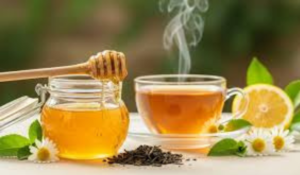
Health Benefits of Jasmine Tea
Jasmine tea is not only delicious but also offers several wellness benefits.1. Rich in Antioxidants
Tea leaves contain natural antioxidants that help protect the body from oxidative stress. Benefits include:- Cellular protection
- General wellness support
- Healthy aging support
2. Supports Relaxation
The aroma of jasmine flowers is often associated with calmness and relaxation. Many tea drinkers enjoy jasmine tea during:- Stressful days
- Evening relaxation
- Meditation sessions
- Reading time
3. May Support Heart Health
Many tea varieties contain compounds that may contribute to overall cardiovascular wellness when consumed as part of a balanced lifestyle.4. Supports Hydration
Drinking tea contributes to daily fluid intake and can be a flavorful alternative to sugary beverages.5. May Aid Digestion
Many people enjoy jasmine tea after meals because of its light and refreshing nature.6. Contains Natural Caffeine
Green tea-based jasmine tea contains moderate caffeine levels. Benefits may include:- Improved alertness
- Better focus
- Gentle energy boost
7. Supports Weight Management Goals
Unsweetened jasmine tea is very low in calories, making it a popular beverage choice among health-conscious individuals.Nutritional Information
A typical cup of unsweetened jasmine tea contains:| Nutrient | Amount |
|---|---|
| Calories | 0-2 |
| Fat | 0g |
| Sugar | 0g |
| Protein | 0g |
| Carbohydrates | 0g |
| Caffeine | 15-40mg |
How to Make Jasmine Tea
Creating the perfect cup requires only a few simple steps.Ingredients
- 1 teaspoon jasmine tea leaves
- 8 ounces hot water
- Honey
- Lemon slices
- Mint leaves
Equipment Needed
- Teapot
- Tea infuser
- Tea cup
- Kettle
Step-by-Step Brewing Instructions
Step 1: Heat Water
Heat water to approximately 175°F to 185°F (80°C to 85°C). Avoid boiling water for delicate jasmine green teas.Step 2: Add Tea Leaves
Place tea leaves into a teapot or infuser. Use approximately:- 1 teaspoon tea leaves
- 8 ounces water
Step 3: Pour Water
Slowly pour hot water over the tea leaves.Step 4: Steep
Allow tea to steep for:- 2-3 minutes for light flavor
- 4-5 minutes for stronger flavor
Step 5: Strain and Serve
Remove tea leaves and pour into your favorite cup.Step 6: Enjoy
Drink plain or add optional flavor enhancers.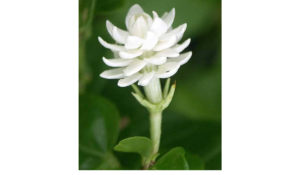
How to Make Iced Jasmine Tea
Perfect for warm weather.Ingredients
- 2 teaspoons jasmine tea
- 2 cups water
- Ice cubes
- Lemon slices
Instructions
- Brew tea slightly stronger than normal.
- Cool completely.
- Fill a glass with ice.
- Pour tea over ice.
- Garnish with lemon.
Best Foods to Pair with Jasmine Tea
Jasmine tea complements many foods.Sweet Pairings
- Cookies
- Sponge cake
- Fruit tarts
- Honey cakes
Savory Pairings
- Dumplings
- Spring rolls
- Noodle dishes
- Stir-fried vegetables
Healthy Pairings
- Fresh fruit
- Mixed nuts
- Yogurt parfaits

Storage Tips
To maintain freshness:- Store in airtight containers.
- Keep away from moisture.
- Avoid direct sunlight.
- Store in cool, dry places.
- Keep away from strong odors.
Common Brewing Mistakes
Avoid these mistakes for the best results.Using Boiling Water
Can create bitterness.Over-Steeping
Makes tea overly strong.Poor Quality Tea
Choose reputable tea brands.Incorrect Storage
Exposure to air reduces fragrance.How to Choose Quality Jasmine Tea
Look for:- Strong natural floral aroma
- Whole tea leaves
- Visible jasmine blossoms
- Fresh appearance
- Trusted tea producers
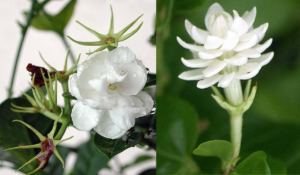
Why Jasmine Tea Is Perfect for Everyday Drinking
Jasmine tea fits easily into daily routines because it is:- Easy to prepare
- Naturally low calorie
- Refreshing
- Aromatic
- Versatile
- Enjoyable hot or cold