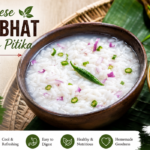
Assamese Poita Bhat with Aloo Pitika Recipe
Assamese Poita Bhat with Aloo Pitika is a traditional and nutritious breakfast from Assam made with naturally fermented rice soaked overnight and served with flavorful mashed potatoes. This simple dish is especially popular during the summer season because it helps cool the body, improves digestion, and provides long-lasting energy. The fermented rice is mixed with yogurt, onions, green chilies, and salt, while the mashed potatoes are seasoned with mustard oil, turmeric, and green chilies for an authentic Assamese taste.Rich in probiotics, vitamins, and minerals, Poita Bhat is known for supporting gut health, preventing dehydration, and reducing food waste by utilizing leftover rice. Paired with Aloo Pitika, it creates a wholesome, comforting meal that has been enjoyed across generations in Assamese households. Easy to prepare and budget-friendly, this traditional breakfast perfectly reflects the simplicity and healthy eating culture of Assam.Prep Time: 10 MinutesFermentation Time: Overnight (8–10 Hours)Cook Time: 20 MinutesTotal Time: 30 Minutes + Overnight SoakingCuisine: Assamese, IndianCourse: BreakfastServings: 4Calories: Approximately 280 kcal per serving
Calories 280kcal
Equipment
- Mixing bowl
- Saucepan
- Potato masher or fork
- Kadai or frying pan
- Knife
- Spoon
Ingredients
- 1 cup cooked rice (leftover rice works best)
- 1 cup cooked rice (leftover rice works best)2 cups clean drinking water
- ¼ cup fresh yogurt (or buttermilk)
- 2 tablespoons finely chopped onion
- 2 green chilies, finely chopped
- Salt to taste
For Aloo Pitika (Mashed Potatoes)
3 medium potatoes , 1 tablespoon mustard oil (traditional) or soybean oil , ½ teaspoon turmeric powder , 2 green chilies, finely chopped, Salt to tast
Notes
Assamese Poita Bhat with Aloo Pitika Recipe – Traditional Fermented Rice & Mashed Potato Breakfast
Meta Title: Assamese Poita Bhat with Aloo Pitika Recipe | Healthy Traditional Assamese Breakfast Meta Description: Learn how to make authentic Assamese Poita Bhat with Aloo Pitika using leftover rice, yogurt, and mashed potatoes. Discover its health benefits, ingredients, step-by-step recipe, nutrition, and serving tips.Assamese Poita Bhat with Aloo Pitika – A Refreshing Traditional Assamese Breakfast
Assamese cuisine is known for its simplicity, natural flavors, and nutritious homemade meals. Among the many traditional dishes enjoyed across Assam, Poita Bhat with Aloo Pitika holds a special place. This humble breakfast is prepared using fermented leftover rice soaked overnight in water and served with flavorful mashed potatoes seasoned with mustard oil, onions, and green chilies. For generations, Assamese families have enjoyed this cooling summer breakfast because it is affordable, easy to prepare, and packed with nutrition. The natural fermentation process not only enhances the flavor but also increases the availability of beneficial nutrients and probiotics that support digestive health. Whether you’re exploring authentic Assamese recipes or searching for a healthy fermented rice breakfast, this recipe is an excellent choice.What is Assamese Poita Bhat?
Poita Bhat, also known as Pani Bhat in many parts of Assam, is made by soaking cooked rice in water overnight. During the night, the rice undergoes mild natural fermentation, giving it a slightly tangy taste and making it easier to digest. The following morning, the fermented rice is enjoyed with yogurt or buttermilk and paired with side dishes such as:- Aloo Pitika (Mashed Potatoes)
- Roasted green chilies
- Raw onions
- Mustard oil
- Pickles
- Fried fish
- Bamboo shoot preparations
- Dry fish chutney

Why Poita Bhat is Popular During Summer
The hot and humid climate of Assam makes Poita Bhat an ideal breakfast during summer. Its cooling properties help maintain hydration while providing slow-release energy throughout the day. Many people working in farms traditionally preferred Poita Bhat because it kept their bodies cool even during intense heat. Some major benefits include:- Naturally cools the body
- Keeps you hydrated
- Improves digestion
- Rich in probiotics
- Helps maintain gut health
- Budget-friendly meal
- Reduces food waste by using leftover rice
- Provides long-lasting energy
Ingredients
For Poita Bhat
- 1 cup cooked rice (leftover rice works best)
- 2 cups clean drinking water
- ¼ cup fresh yogurt (or buttermilk)
- 2 tablespoons finely chopped onion
- 2 green chilies, finely chopped
- Salt to taste
For Aloo Pitika (Mashed Potatoes)
- 3 medium potatoes
- 1 tablespoon mustard oil (traditional) or soybean oil
- ½ teaspoon turmeric powder
- 2 green chilies, finely chopped
- Salt to taste
- Fresh coriander leaves
- Sliced onions
- Roasted dry red chili
Kitchen Equipment
- Mixing bowl
- Saucepan
- Potato masher or fork
- Kadai or frying pan
- Knife
- Spoon
Preparation Time
- Preparation Time: 10 minutes
- Overnight Fermentation: 8–10 hours
- Cooking Time: 20 minutes
- Total Time: Approximately 30 minutes (plus overnight soaking)
Step-by-Step Assamese Poita Bhat Recipe
Step 1: Ferment the Rice
Take the leftover cooked rice and place it in a clean bowl. Pour two cups of drinking water over the rice until it is completely submerged. Cover the bowl and leave it at room temperature overnight for about 8–10 hours. During this time, the rice naturally ferments and develops its characteristic mild sour flavor.Step 2: Prepare the Rice Mixture
The following morning, lightly stir the soaked rice. Add fresh yogurt or buttermilk to the fermented rice. Mix gently until well combined. Now add:- Chopped onions
- Green chilies
- Salt
Step 3: Boil the Potatoes
Wash the potatoes thoroughly. Boil them until completely soft. Allow them to cool slightly before peeling off the skin. Mash the potatoes using a fork or potato masher until smooth. Traditional Aloo Pitika is slightly coarse rather than perfectly smooth.Step 4: Season the Potatoes
Heat mustard oil in a small kadai. Allow the oil to become hot. Reduce the flame and quickly stir in turmeric powder. Immediately pour this hot oil over the mashed potatoes. Add:- Salt
- Chopped green chilies
Step 5: Serve
Serve chilled Poita Bhat in a bowl. Place a generous portion of warm Aloo Pitika beside it. Garnish with sliced onions and fresh green chilies. Enjoy this traditional Assamese breakfast immediately.Tips for the Best Poita Bhat
- Use freshly cooked rice from the previous night’s dinner.
- Do not refrigerate the soaking rice unless the weather is extremely hot.
- Always use clean drinking water.
- Mustard oil gives the most authentic Assamese taste.
- Add homemade yogurt for better flavor.
- Avoid over-fermenting the rice beyond 12 hours in very warm climates.
- Fresh green chilies add authentic aroma and spice.
Health Benefits of Assamese Poita Bhat
Supports Digestion
Natural fermentation creates beneficial bacteria that help improve gut health and digestion.Keeps the Body Cool
Poita Bhat is widely consumed during summer because it naturally helps cool the body.Rich in Probiotics
Fermented foods contain healthy microorganisms that support digestive balance.Hydration
Since the rice remains soaked in water overnight, it helps replenish body fluids.Budget-Friendly Nutrition
This recipe transforms leftover rice into a wholesome breakfast while reducing food waste.Good Source of Energy
Rice provides carbohydrates, while potatoes add additional energy and nutrients, making it a satisfying morning meal.Nutrition Information (Approximate Per Serving)
- Calories: 280 kcal
- Carbohydrates: 52 g
- Protein: 7 g
- Fat: 5 g
- Fiber: 4 g
- Sodium: 320 mg
- Potassium: 580 mg
- Calcium: 85 mg
Serving Suggestions
Poita Bhat tastes even better when served with:- Fried green chilies
- Raw onions
- Homemade mango pickle
- Fried fish
- Egg fry
- Dry fish chutney
- Bamboo shoot pickle
- Roasted tomatoes
- Fresh cucumber slices
Storage Tips
If you have leftover Poita Bhat:- Store it in the refrigerator.
- Consume within one day.
- Avoid keeping fermented rice at room temperature for extended periods after fermentation.